


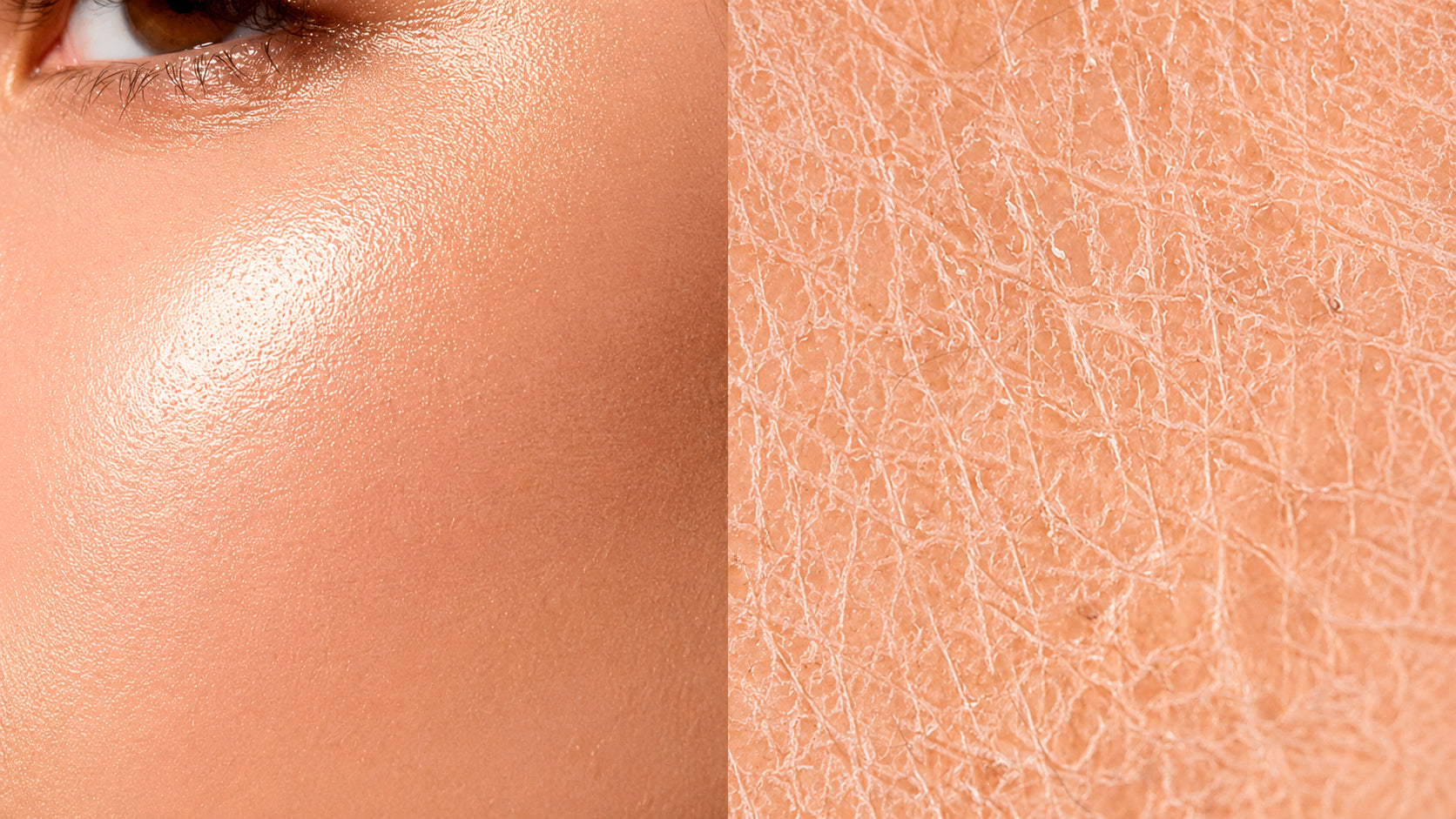
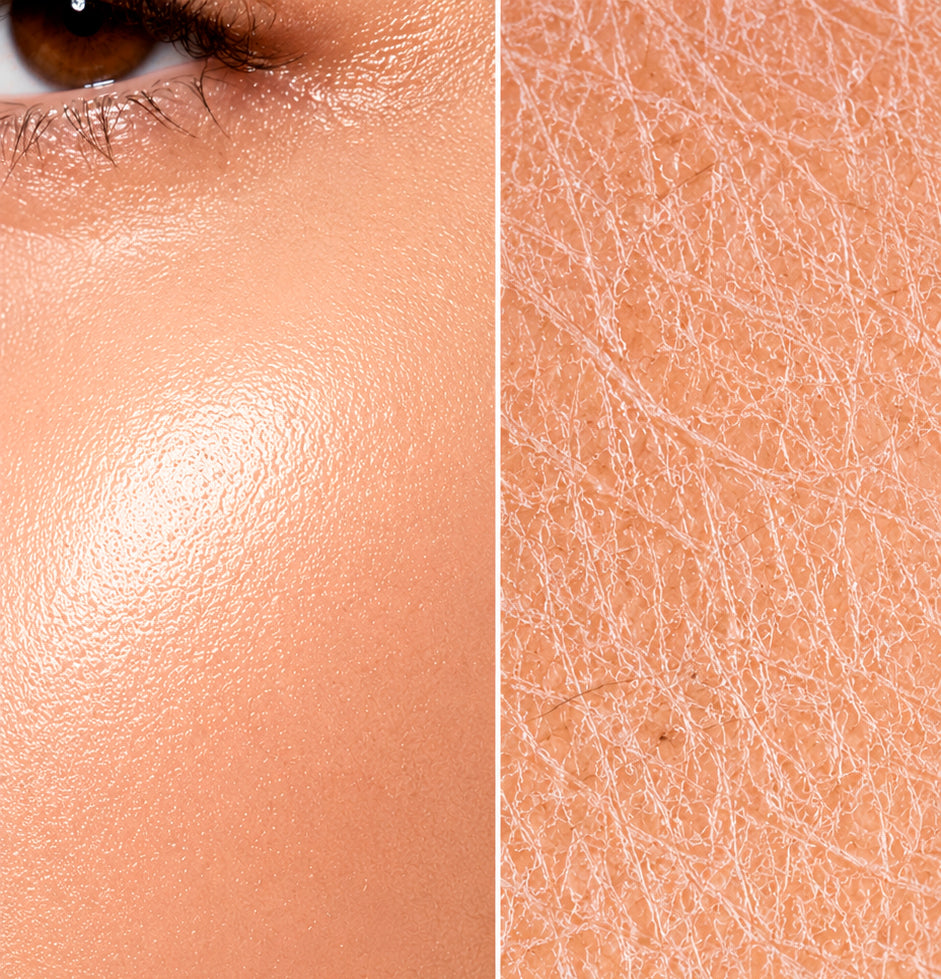
Dry skin needs much more than a moisturizer. At LaLuz, we have designed a routine for dry skin that combines hydrating, repairing, and antioxidant ingredients to help restore skin comfort from the first use and progressively improve its appearance.
A good routine for dry skin should focus on three main objectives:
- Provide immediate hydration.
- Repair the skin barrier.
- Prevent water loss throughout the day.
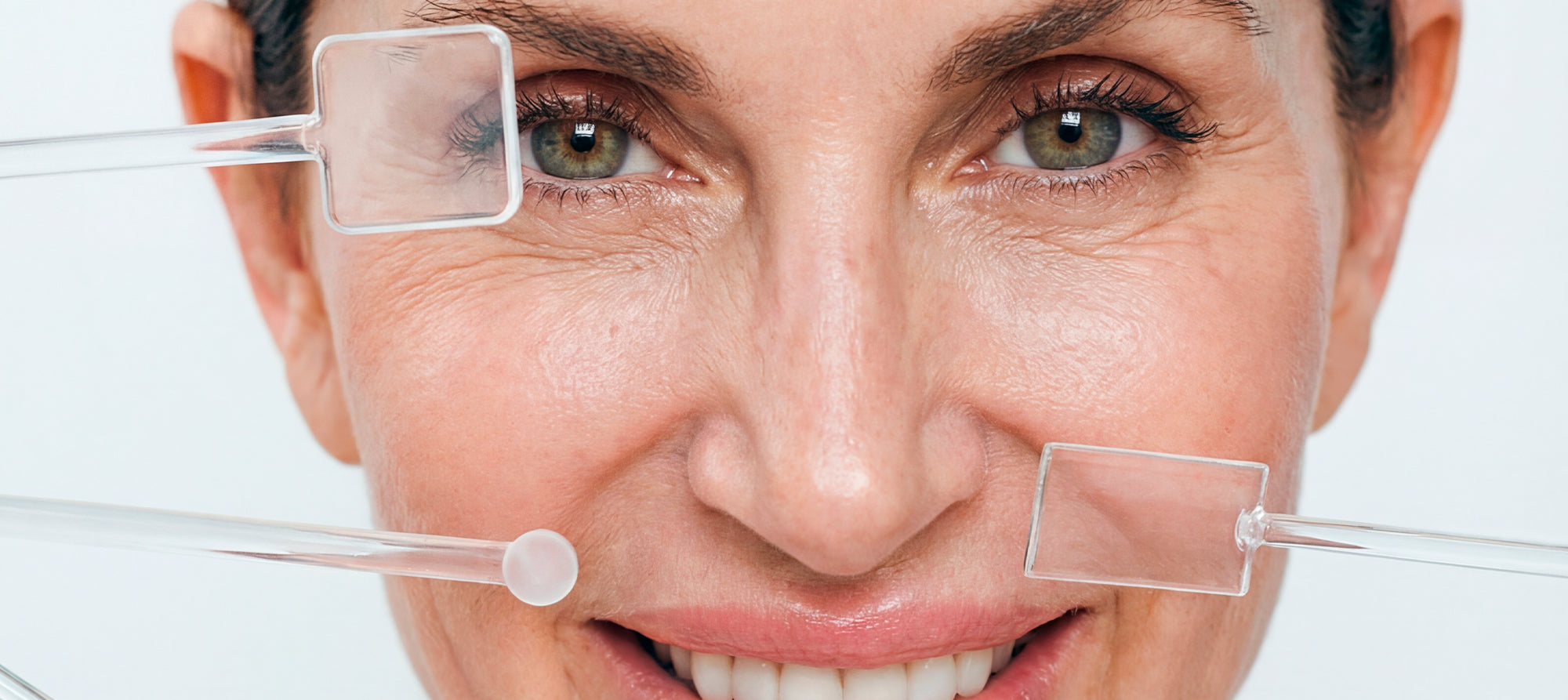
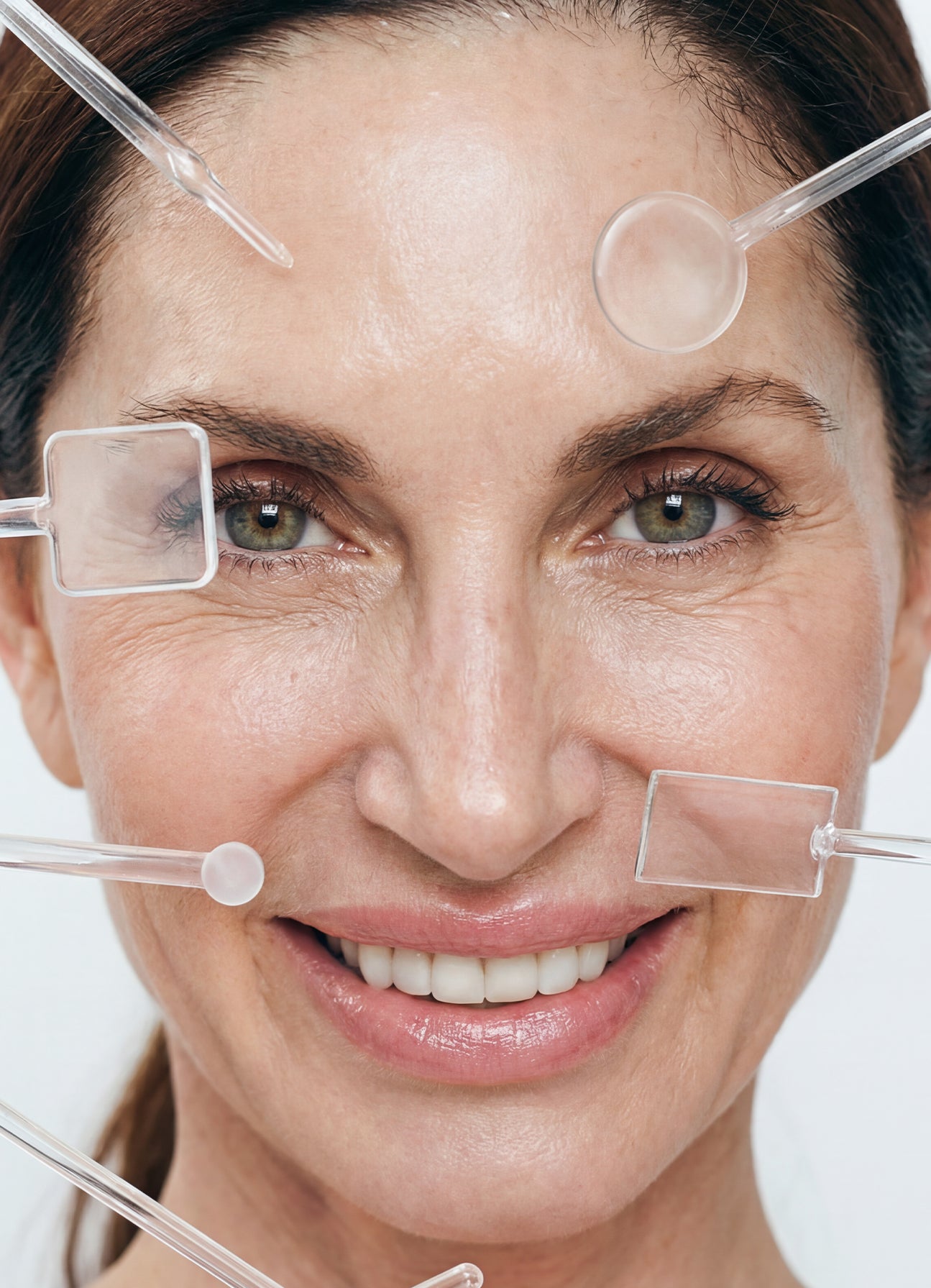
Step-by-step routine for dry skin
Dry skin daytime routine ☀️

1. Cleaning
The mousse removes impurities and prepares the skin to better absorb active ingredients.


3. Vitamin C
Brightens, evens skin tone, and boosts firmness while protecting against environmental damage.

4. Firming cream
Nourishes and strengthens the skin barrier, providing softness and firmness to keep skin elastic.

5. Sunscreen
It protects against UV rays and provides a luminous finish that keeps skin hydrated and radiant.
Nighttime routine for dry skin 🌙

1. Double cleanse
The oil and mousse leave the skin perfectly prepared to receive active ingredients.

3. Retinol / Glycolic
Alternate between deep renewal (retinol) and gentle brightening (glycolic) to improve texture and tone.
4. Firming cream
It strengthens the skin barrier and enhances the effect of active ingredients, leaving the skin firmer, nourished, and more comfortable.

How to tell if you have dry skin
It is important to differentiate dry skin from dehydrated skin. Dry skin is a permanent skin type, while dehydration is a temporary condition that can affect all skin types.
Dry skin produces less oil than necessary to maintain a healthy skin barrier. As a result, it loses water more easily and very characteristic symptoms appear:
- Feeling of tightness, especially after cleansing
- Rough or coarse texture
- Flaking in some areas of the face
- Lack of radiance
- Expression lines more pronounced due to dehydration
- Increased sensitivity to cold, wind, or certain cosmetics
Why does skin dry out?
Dryness can be due to genetic factors, but there are also many external causes that worsen the problem.
- Sun exposure. Ultraviolet radiation damages the skin barrier and accelerates moisture loss.
- Climate. Cold, wind, heating, and air conditioning reduce environmental humidity and promote water loss.
- Aging. With age, the natural production of ceramides, lipids, and hyaluronic acid decreases. The skin loses its ability to retain water and becomes drier.
- Overly aggressive cleansing. Cleansers with strong surfactants or excessive use of exfoliants remove the natural oils that protect the skin.
- Weakened skin barrier. When the protective barrier is damaged, water evaporates more quickly, and the skin is more exposed to external irritants.
Common mistakes when caring for dry skin
Using water that is too hot
Very hot water removes some of the skin's natural oils and increases dryness.
Over-cleansing your face
Two daily cleanses are usually sufficient. Excessive cleansing can disrupt the skin barrier.
Using harsh exfoliants
Exfoliating too frequently can cause irritation and increase water loss.
Applying products to completely dry skin
Hyaluronic acid serums work best when the skin is slightly damp.
Not using sunscreen
The sun accelerates the deterioration of the skin barrier and promotes moisture loss.
Thinking that dry skin doesn't need serum
Many people only use a moisturizer, but a serum provides concentrated active ingredients that significantly improve results.
Frequently asked questions
What's the best routine for dry skin?
An effective routine should include gentle cleansing, a hydrating serum, a restorative cream, and sunscreen during the day. At night, regenerating actives such as retinol can be incorporated, always accompanied by soothing and hydrating ingredients.
What ingredients are best for dry skin?
The most recommended are hyaluronic acid, ceramides, squalane, glycerin, panthenol, and niacinamide, as they help hydrate and strengthen the skin barrier.
How long does it take for dry skin to improve?
The feeling of comfort usually improves within a few days, but skin barrier recovery may require 4 to 8 weeks of consistent use.
Are dry skin and dehydrated skin the same thing?
No. Dry skin is a skin type with lower sebum production, while dehydration is a lack of water that can affect any skin type.
You may also be interested in
- Anti-aging routine
- Oily skin routine
- Anti-wrinkle routine
- Anti-blemish routine